Writes Sophia Jasieczek, Head of Modern Foreign Languages
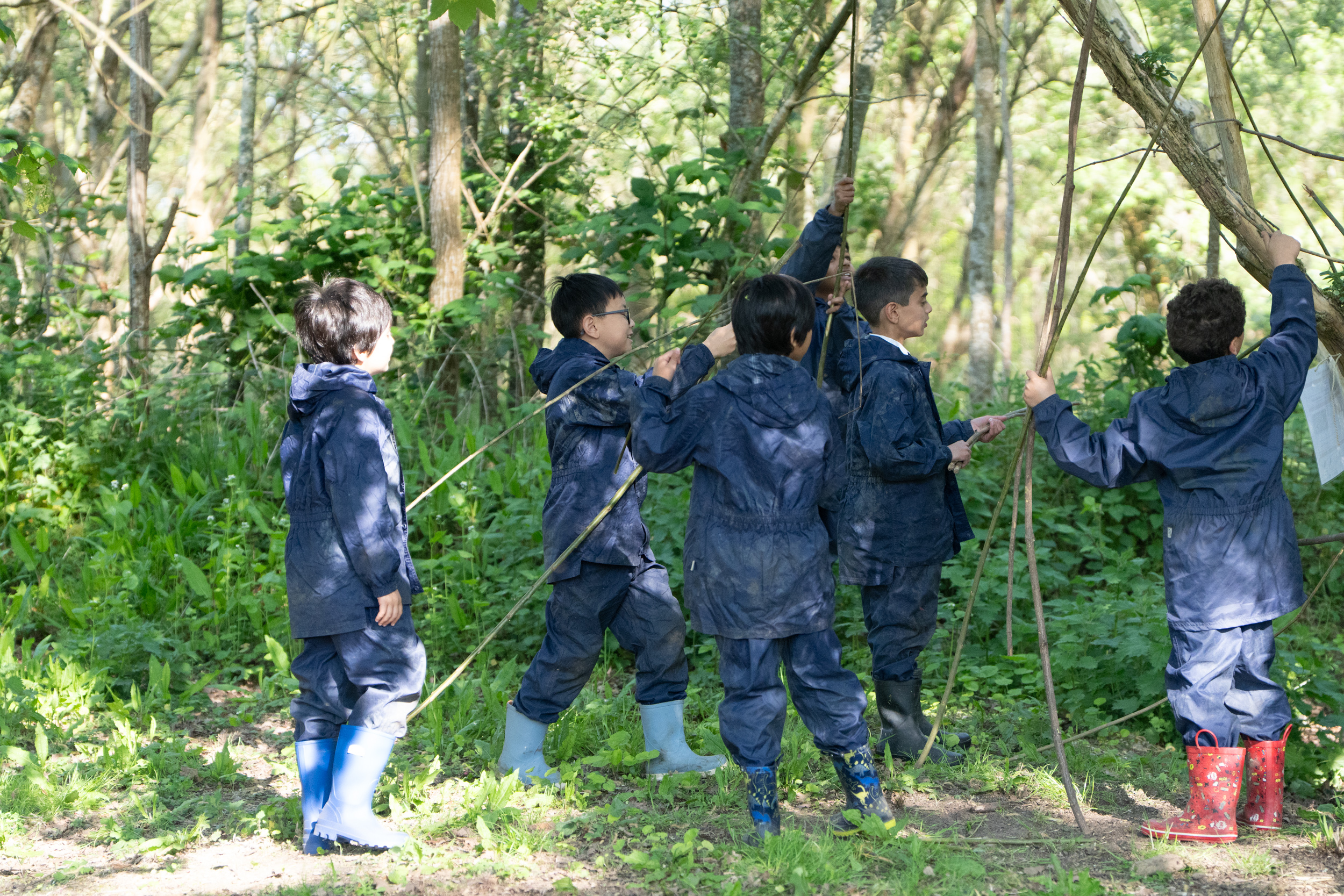
French in the Forest
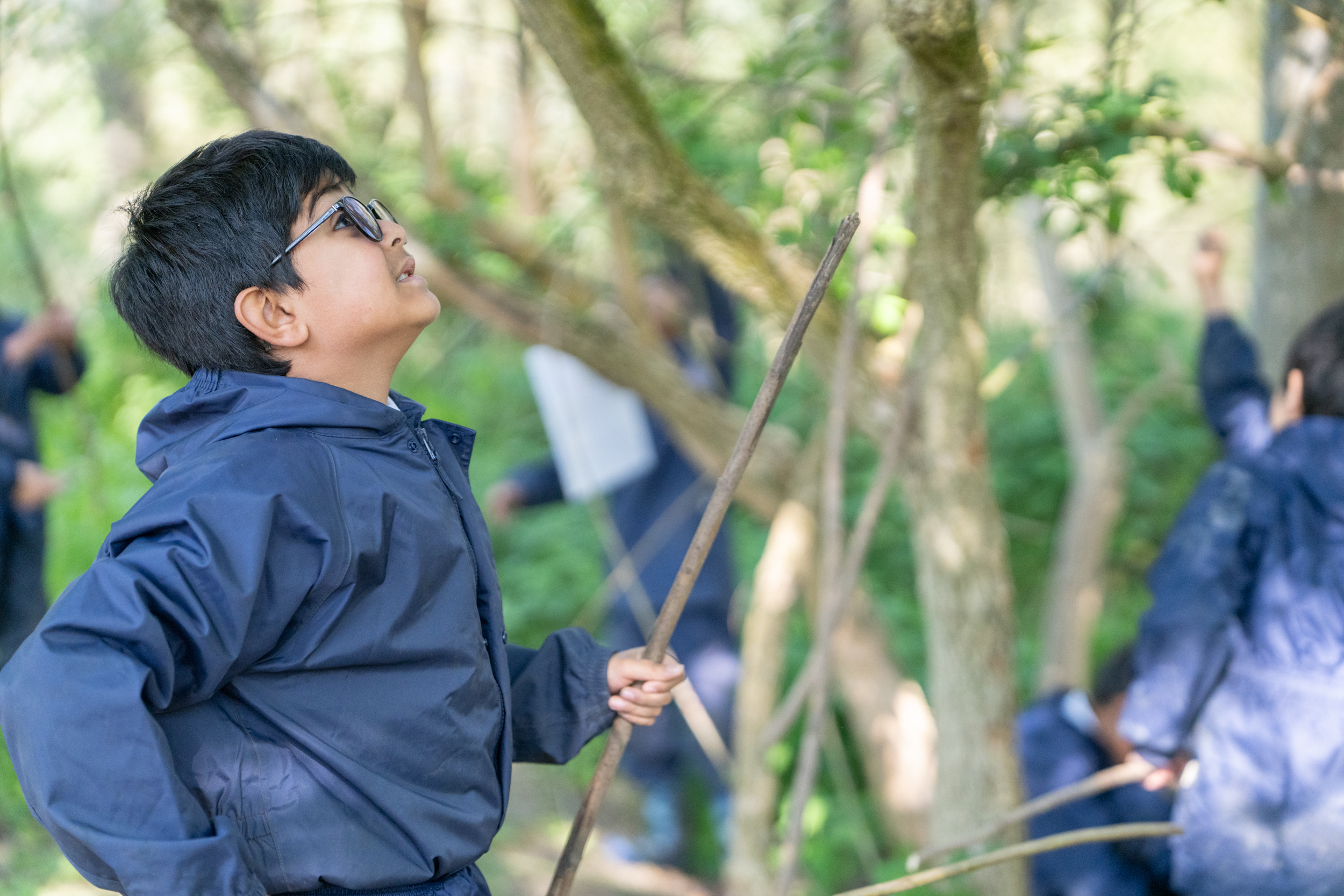
Year 4 already know their colours in French and Mrs Davidson, and I decided to create a practical lesson about French adjectives of colour and how/why they change their spellings.
I displayed bird posters in French on the classroom windows for a few weeks and we talked about the names for the different parts of the body (head, wings) and why they were le/la/les.
To reinforce this, we sang the French song “Alouette” with actions.
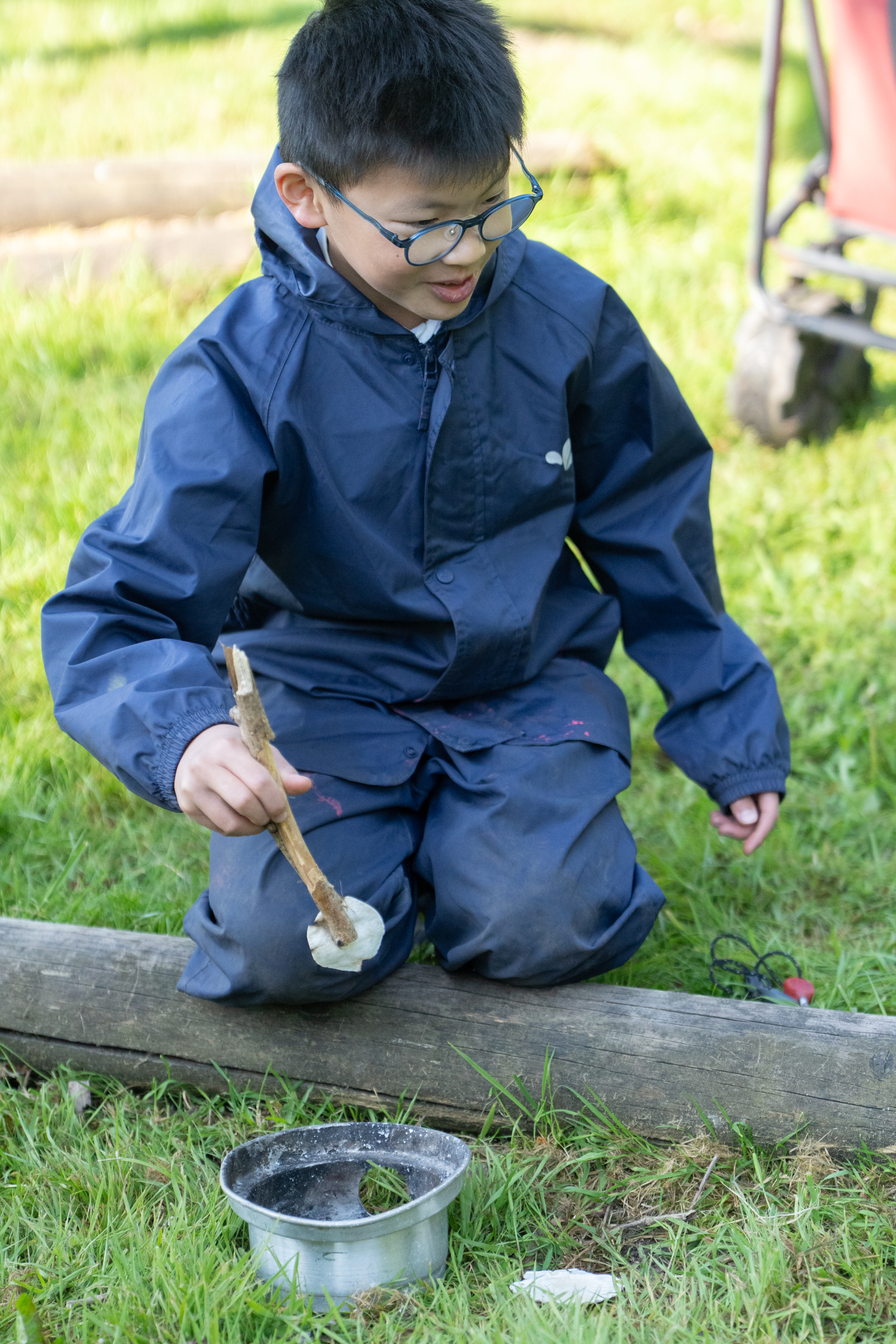
The Forest School lesson was designed to be a fun way of finding information such as ‘what colour are the bird’s wings?’, provide an opportunity to sing a French song around a campfire, and we added the bonus of eating crêpes cooked over the campfire.
Boys enjoyed the practical activities, practised working collaboratively in groups (to check French spellings), and were excited to taste crêpes cooked over a wood fire.
Writes Anne Davidson, Forest School Lead
World Wildlife Day
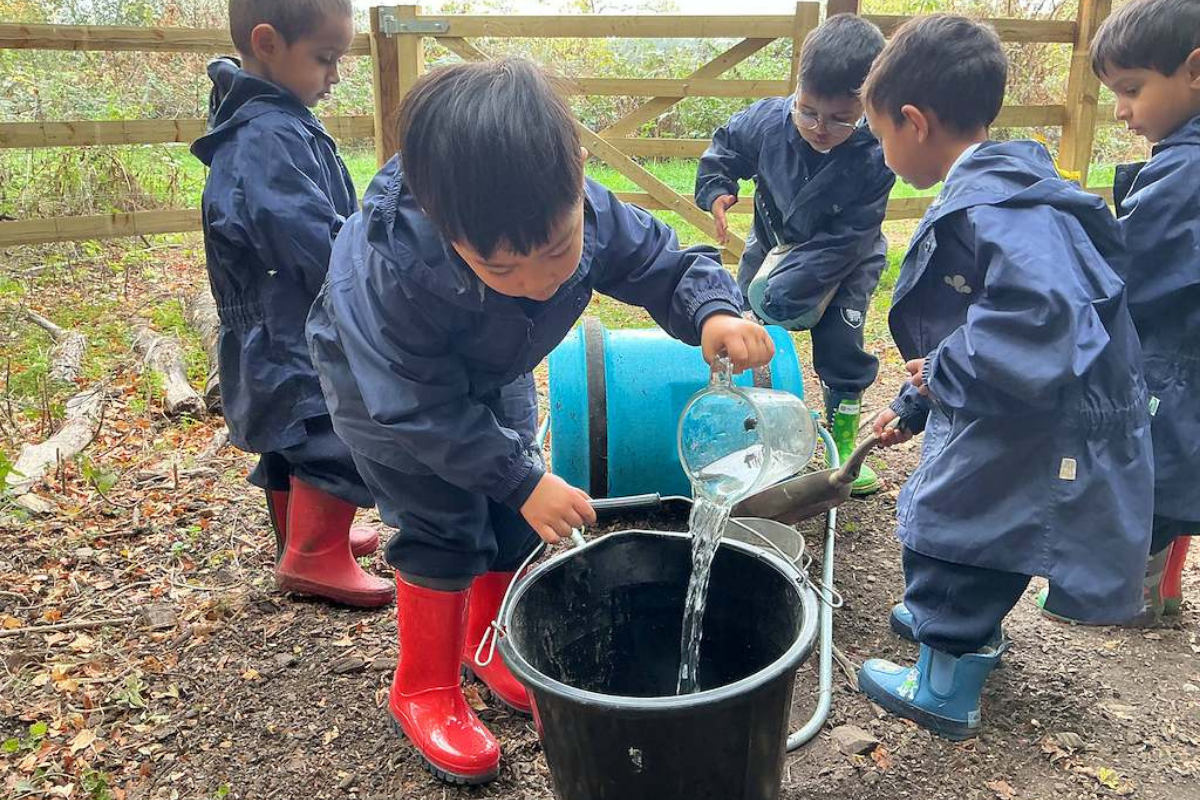
To celebrate World Day on 22 April, Eco club took part in activity focused on supporting local wildlife. They planted a variety of wildflowers to attract and support pollinators such as bees and butterflies, helping to boost biodiversity around the school grounds.
In addition, the children planted sunflower seeds, which will not only brighten the eco garden over the coming months but will also provide seeds that can be collected and used to feed birds during the winter.
Fire Lighting
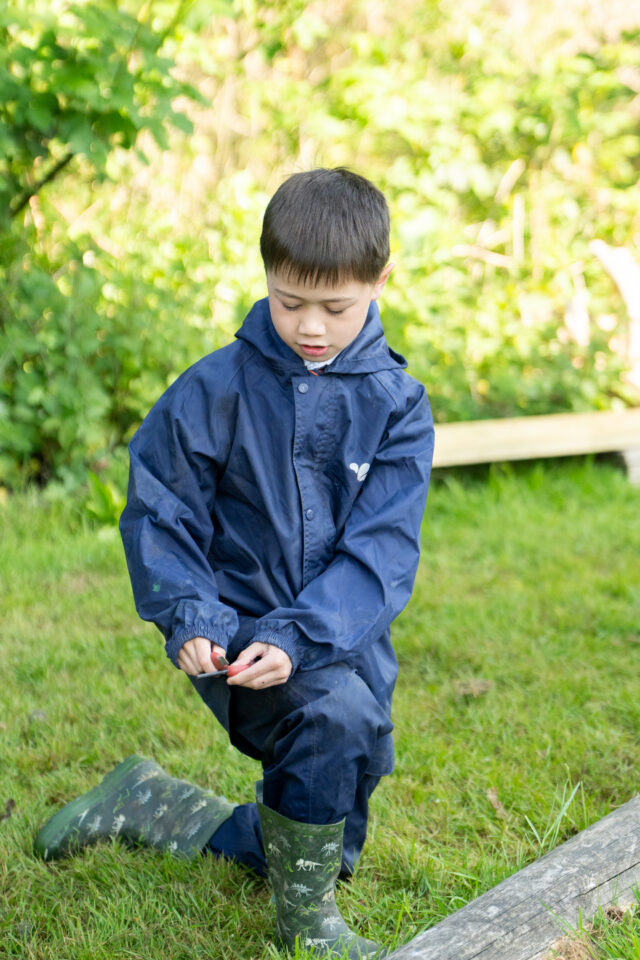
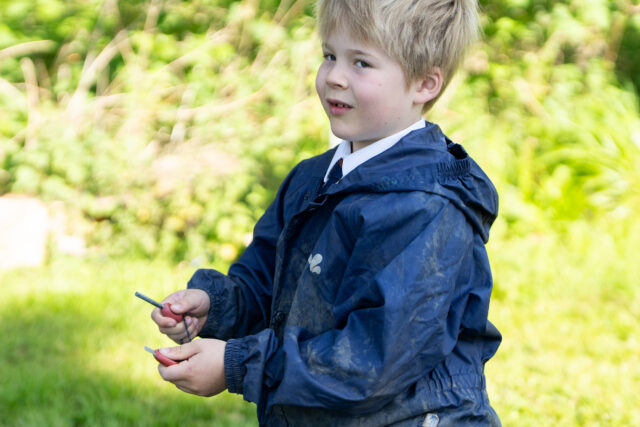
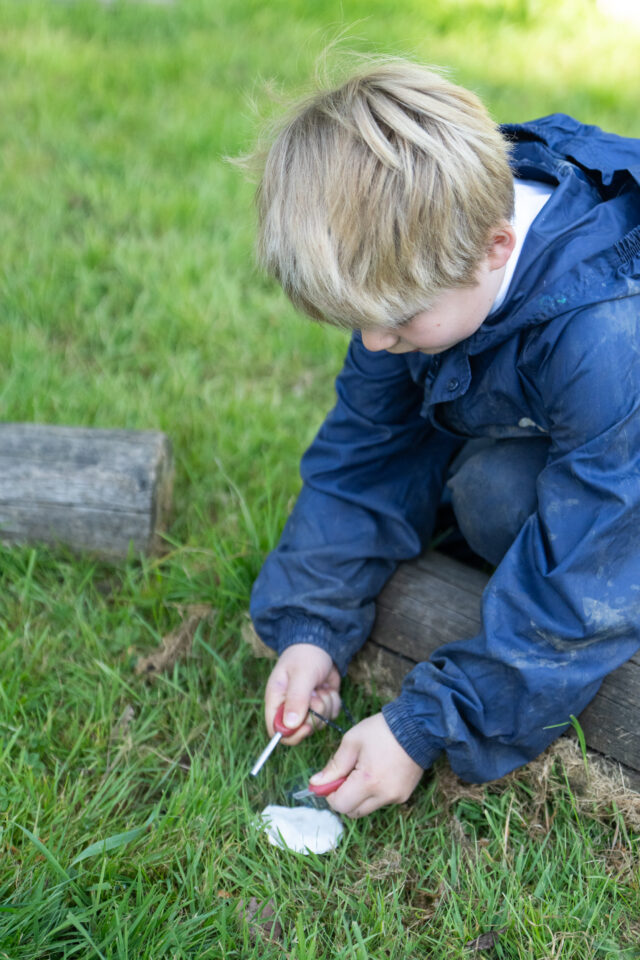
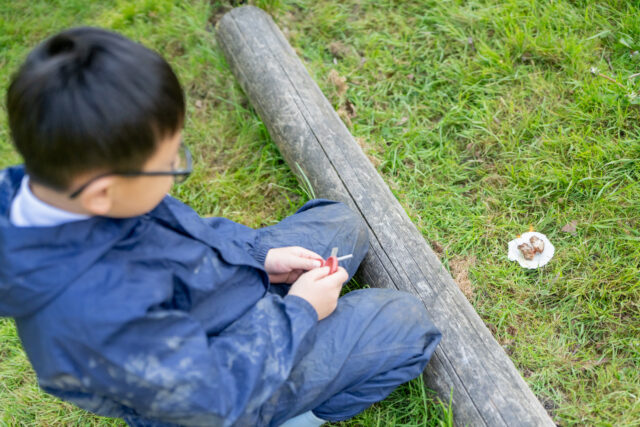
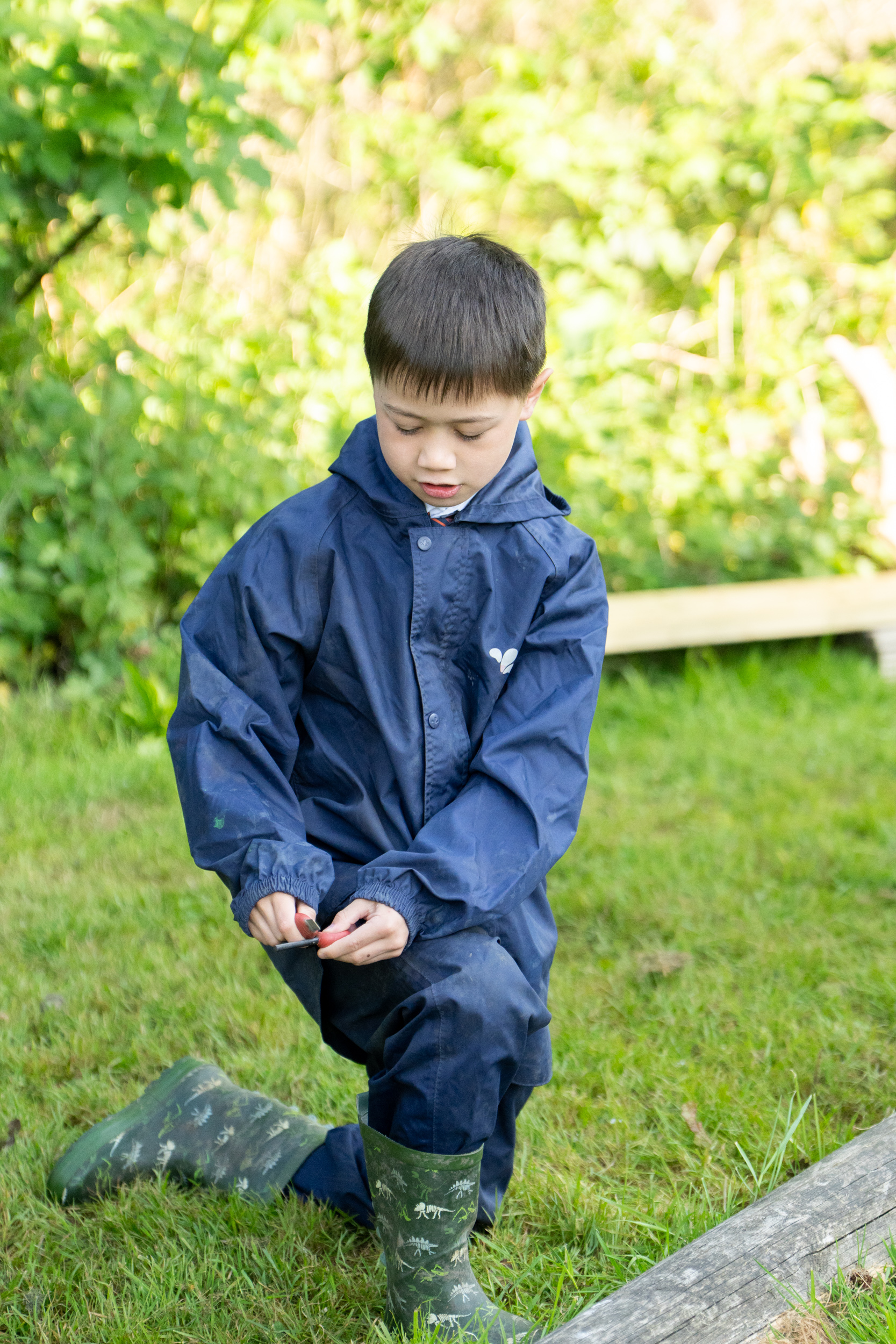
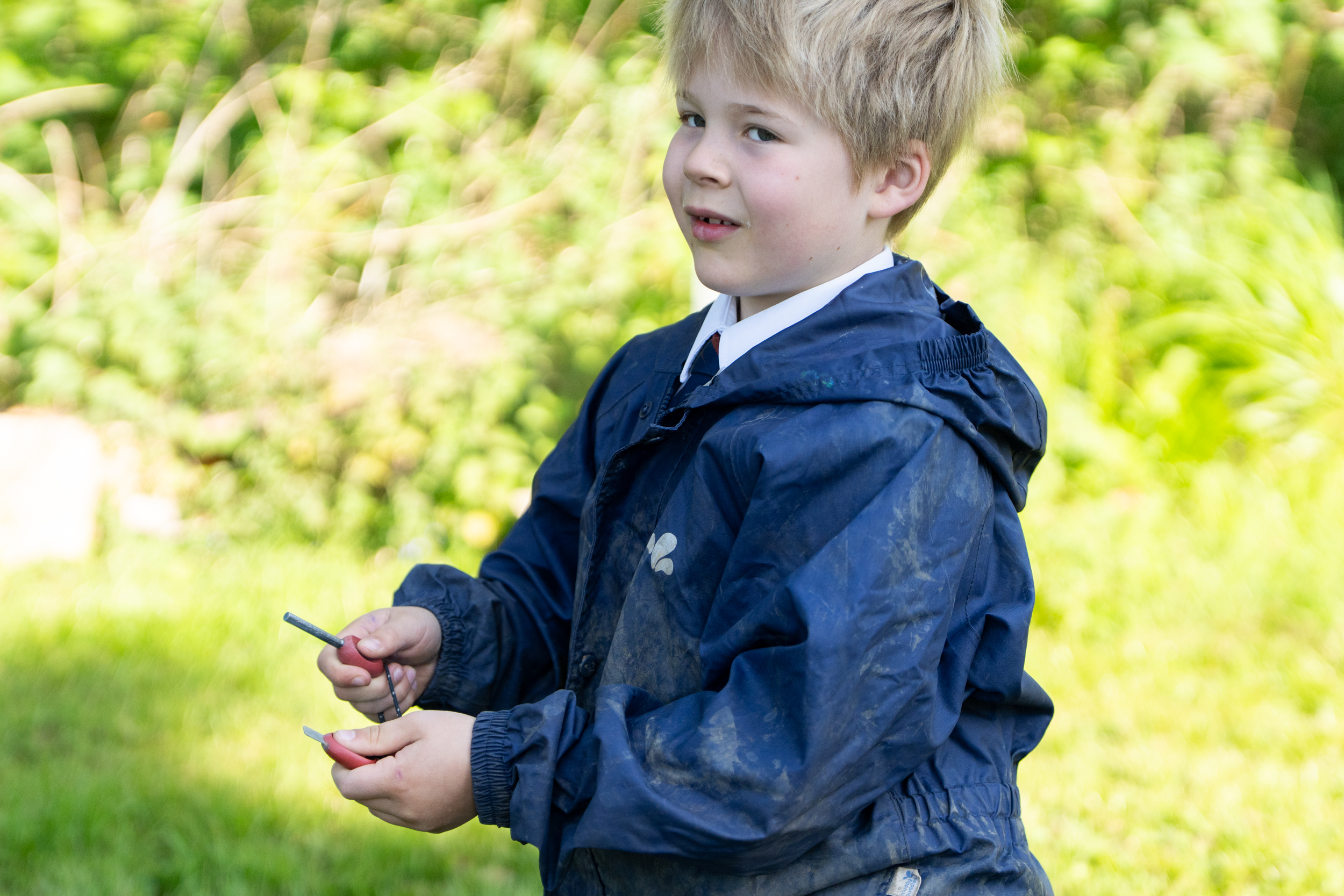
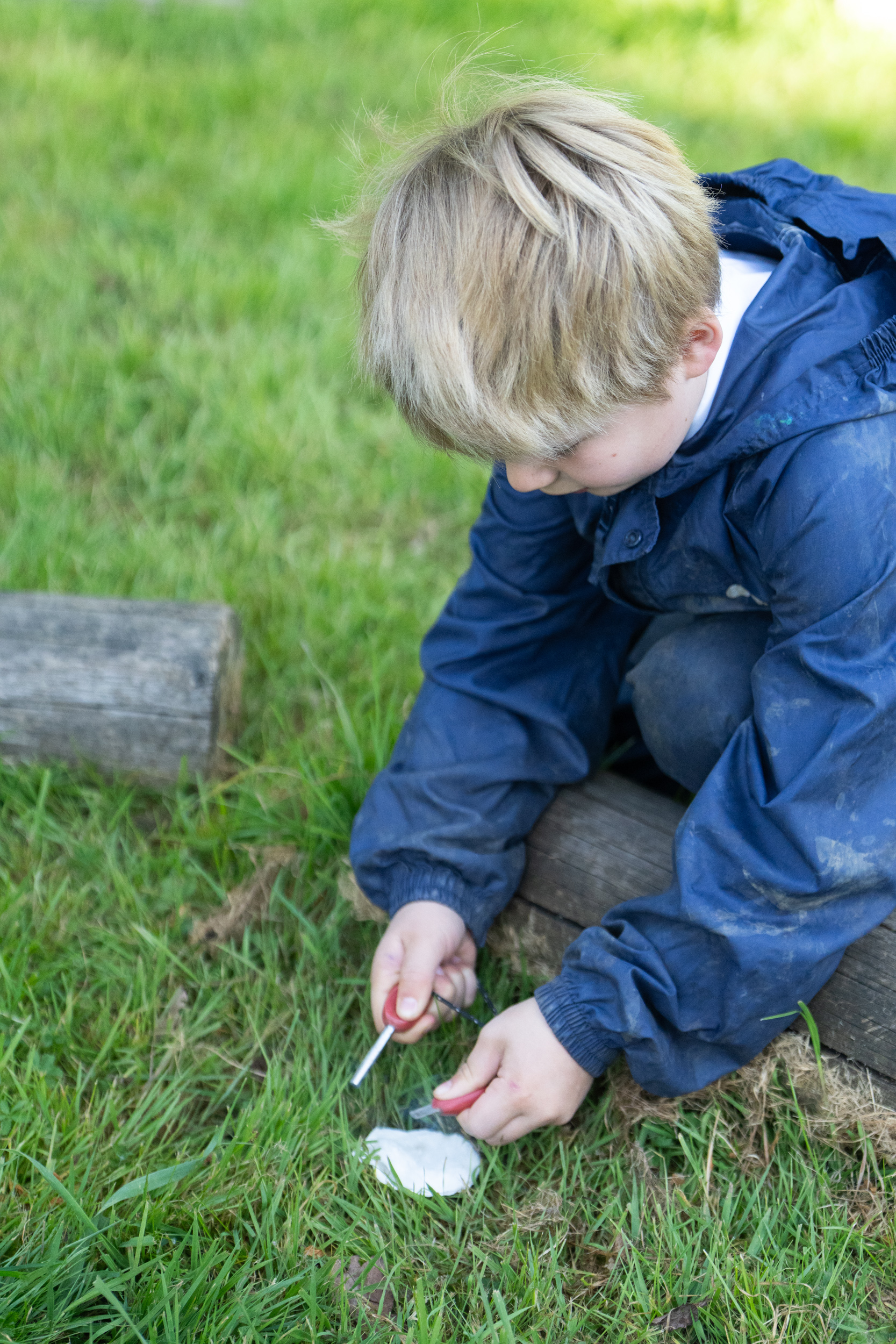
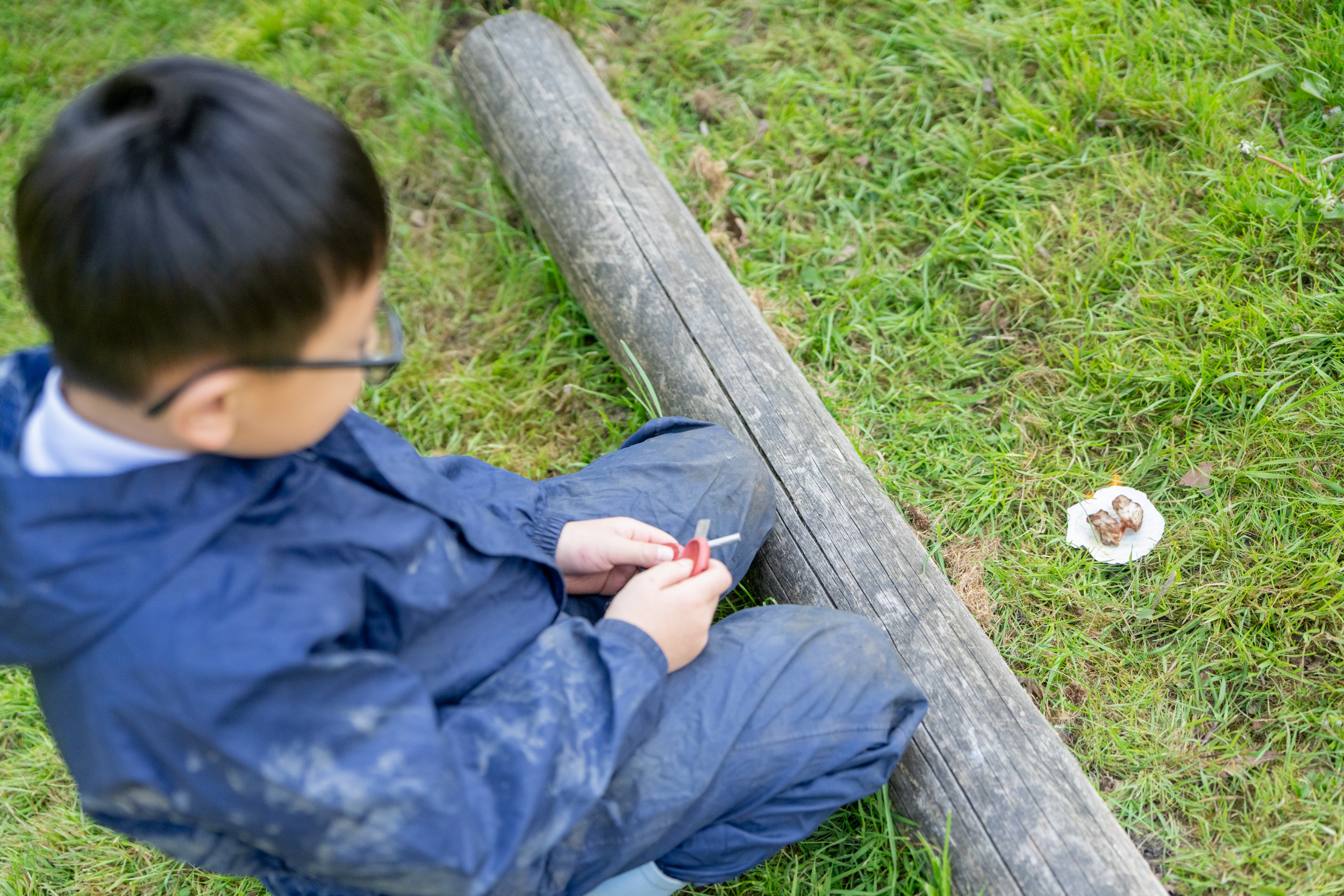
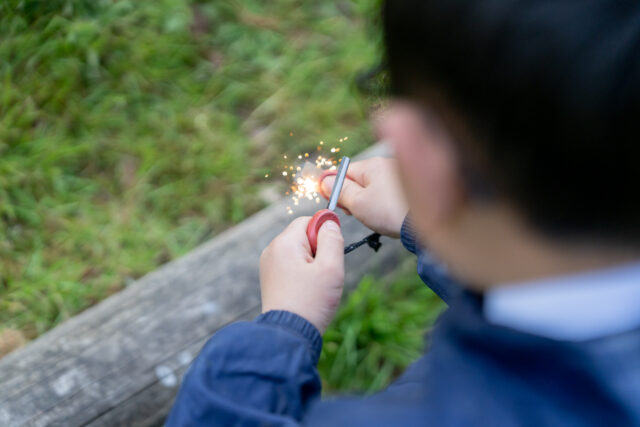
Kestrels enjoyed a hands-on outdoor learning session about fire lighting. They learned about the fire triangle, discussed fire safety, and successfully lit small fires using fire steels. The session finished with learning how to safely put out a fire, reinforcing responsible outdoor practices.
Hapa Zome
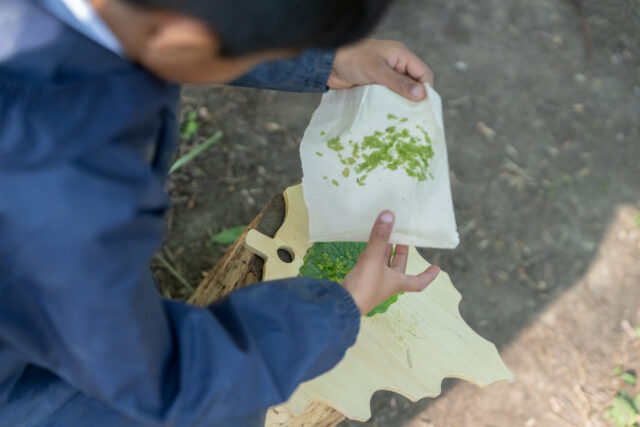
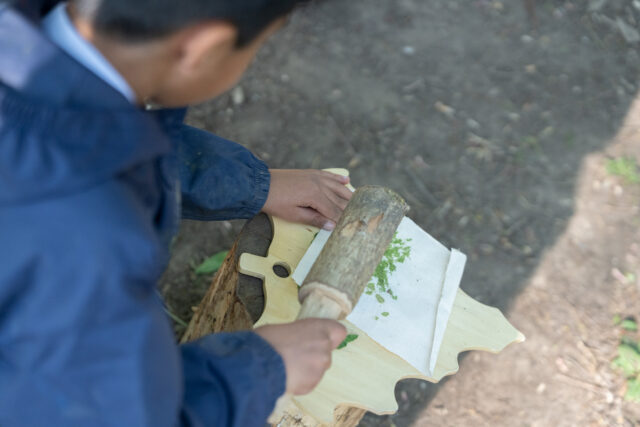
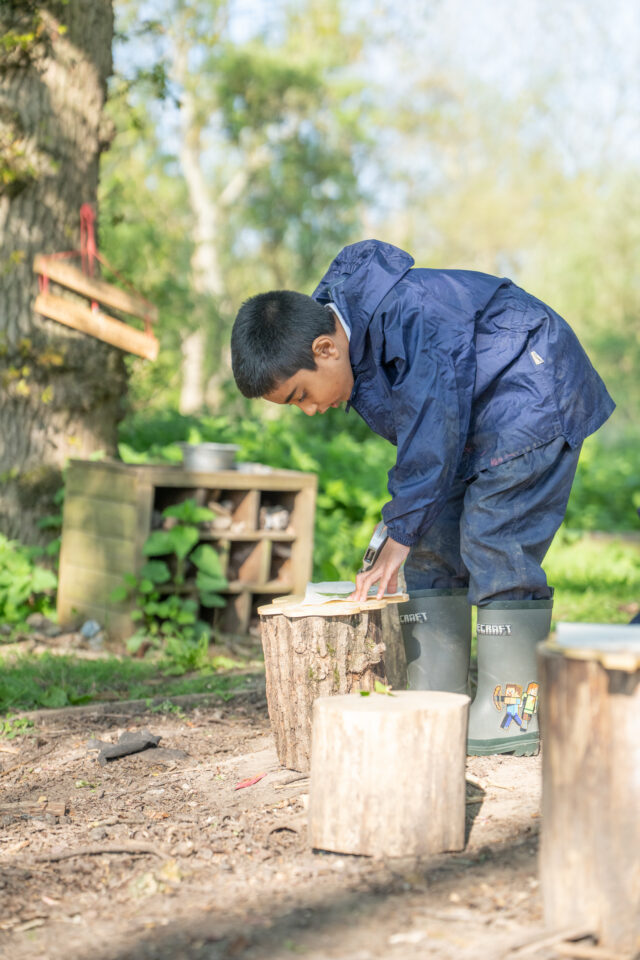
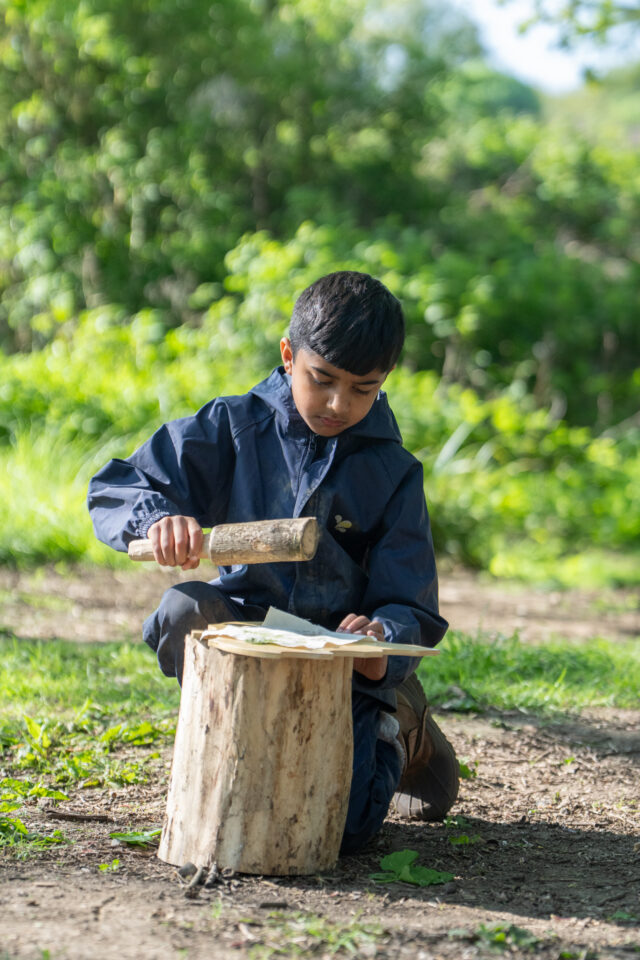
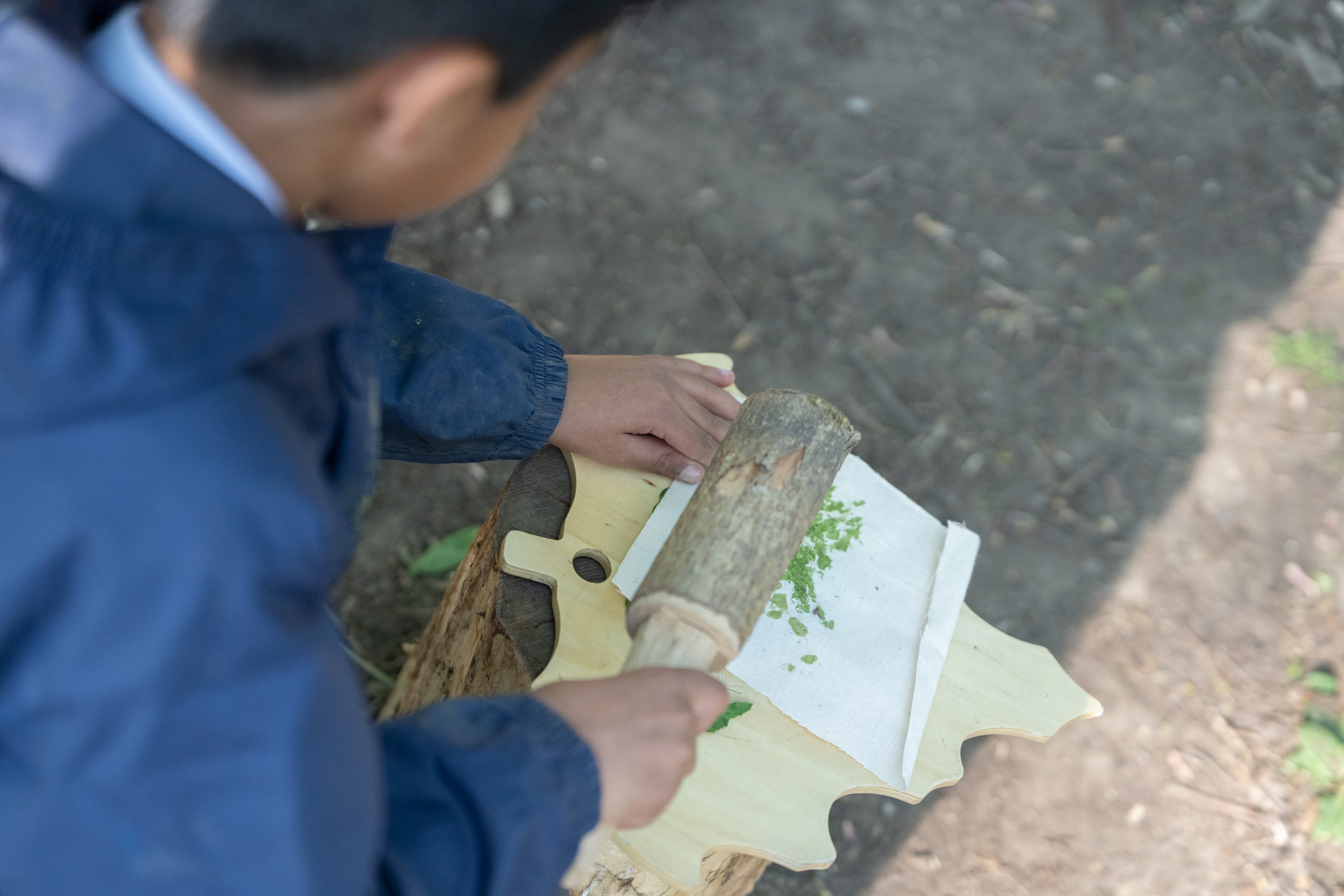
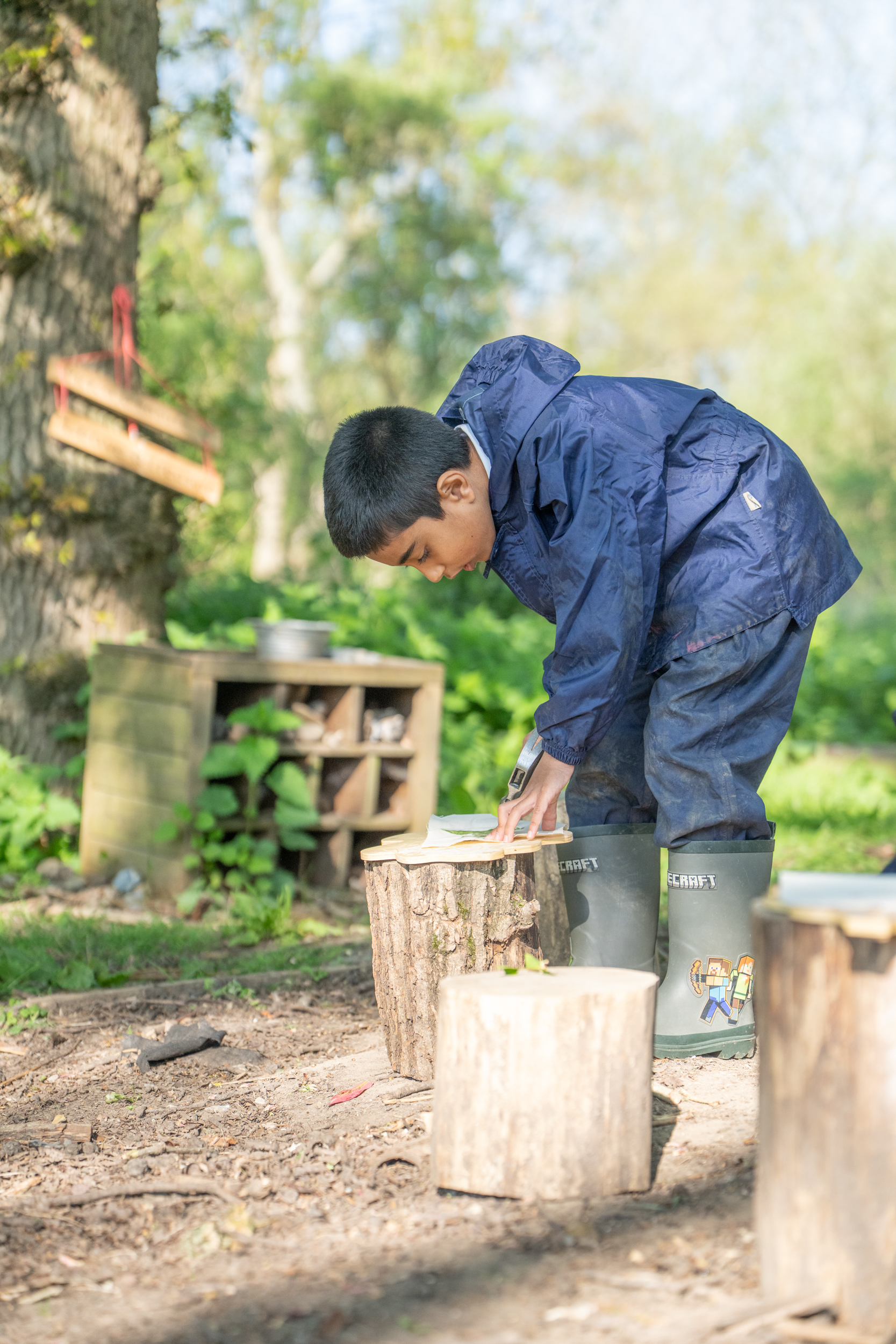
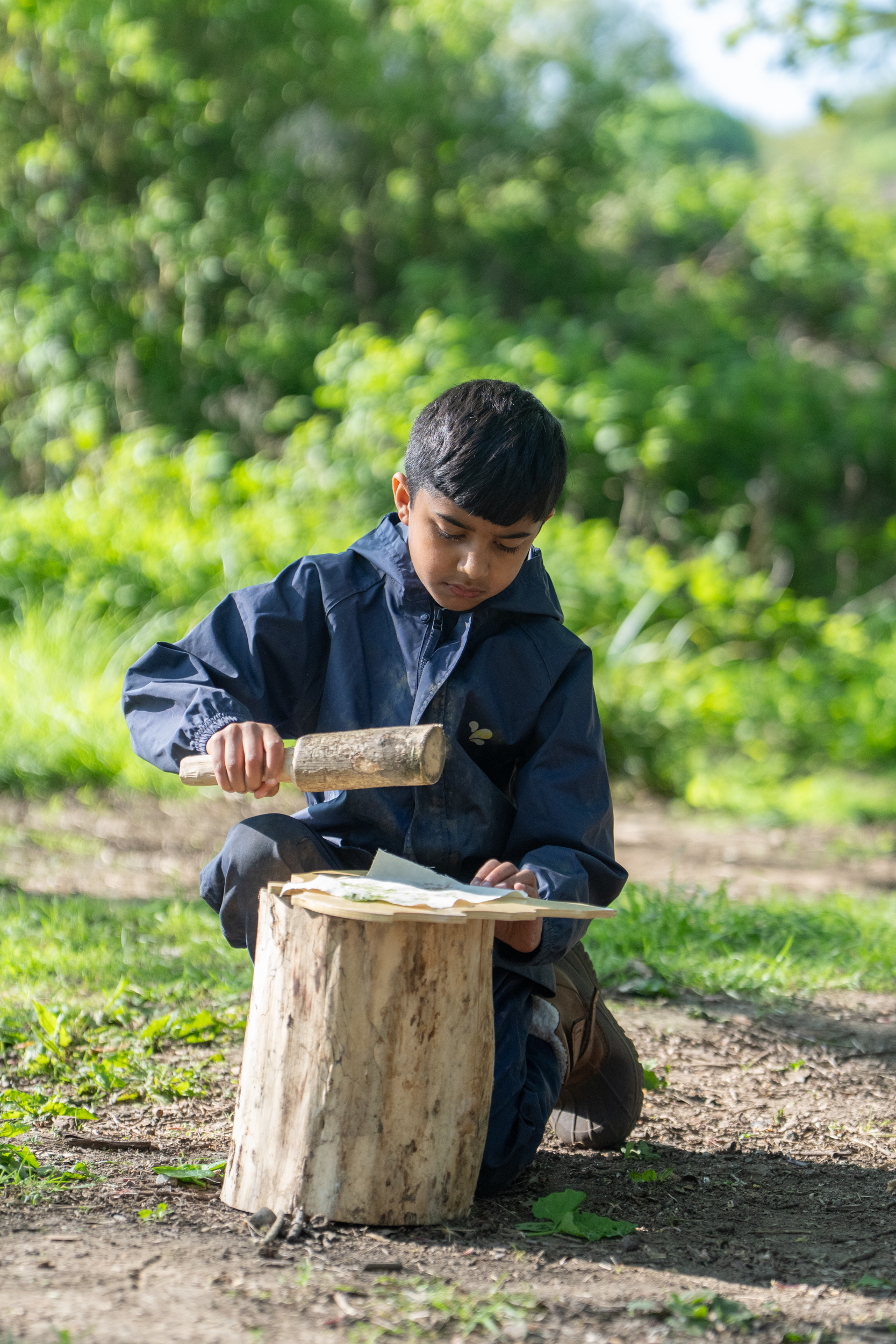
Year 3 have been learning about different tree leaves and exploring them through leaf bashing. Hapa Zome, a Japanese art, which literally translates to ‘leaf dye’ (hapa for ‘leaf’ and ‘zome’ for dye). This creative activity involves using a hammer to transfer the natural pigments from leaves onto fabric, producing beautiful prints. It was a fun, hands-on way to develop their understanding of nature while also improving their hammer skills.