Writes Mr Goddard, Outdoor Learning & Science Teacher
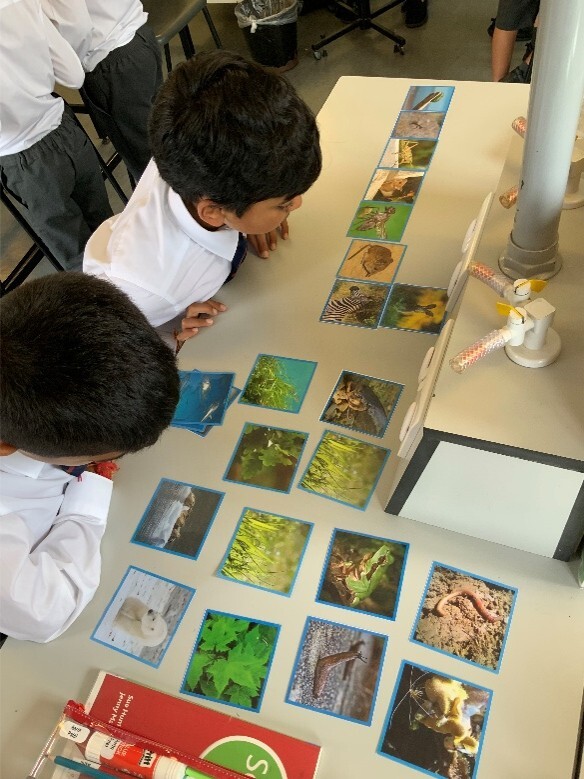
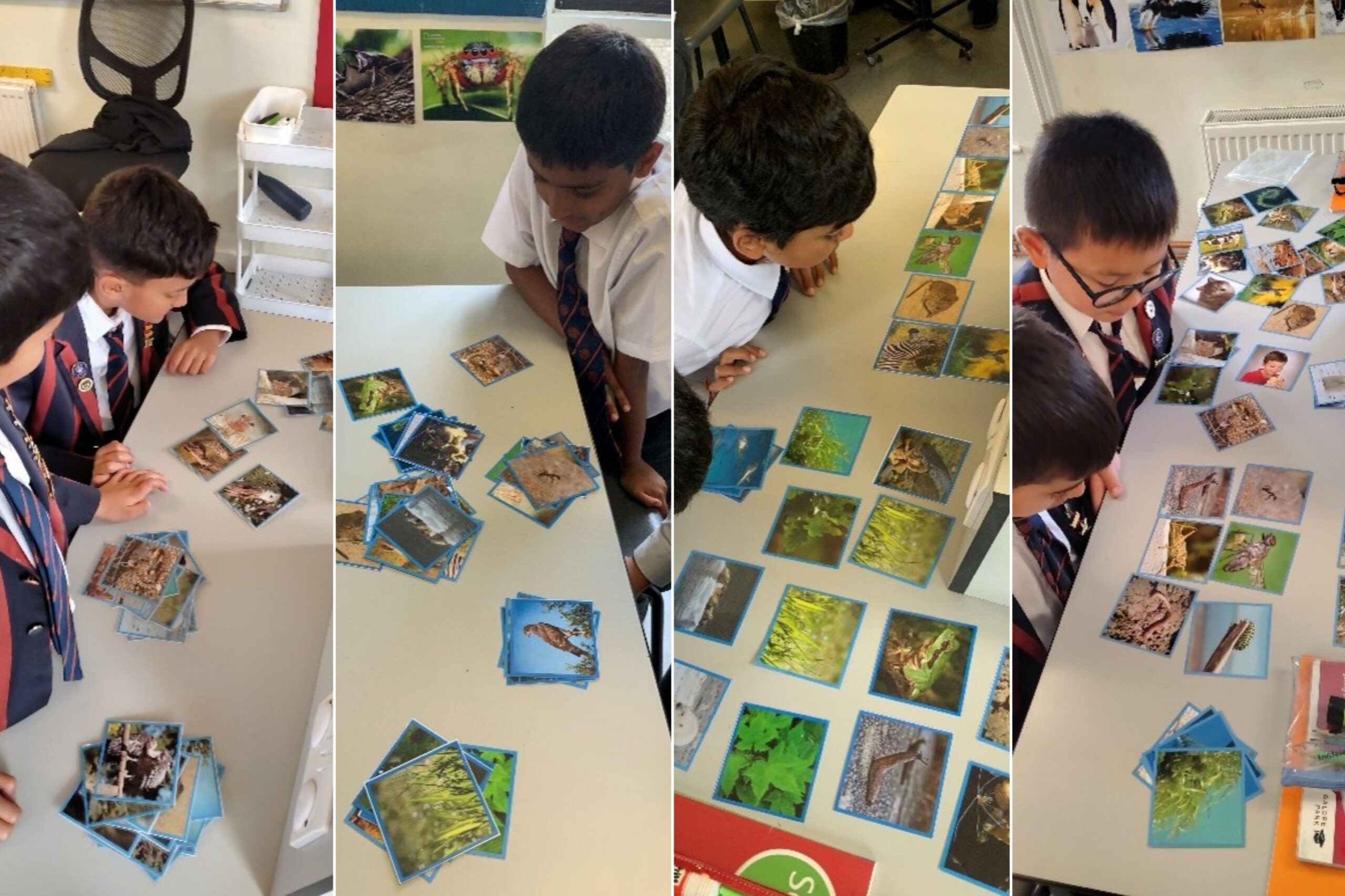
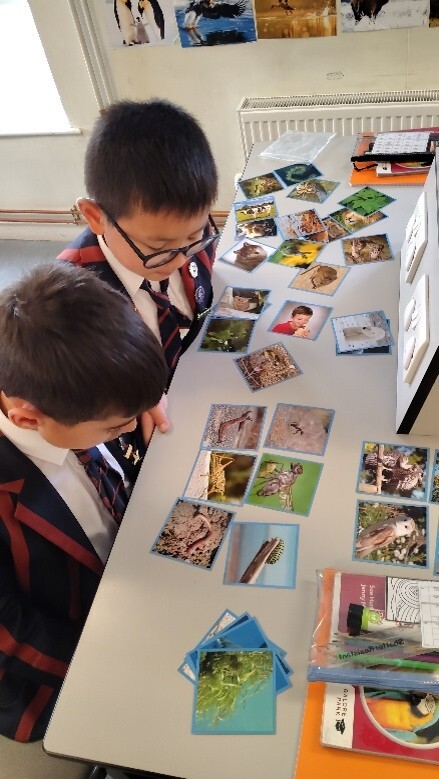
The boys in Year 4 have been developing their scientific classification skills, learning how scientists group living things according to their observable features. They began their investigation by carefully examining a variety of living things and identifying the characteristics that made each one unique. Using their observations, they sorted the different organisms into three main groups: plants, animals, and single-celled organisms.
Building on this knowledge, the boys turned their attention to the animal kingdom, exploring the differences between animals with backbones and those without. They successfully classified animals into two groups: vertebrates and invertebrates, discussing the features that helped them decide where each animal belonged.
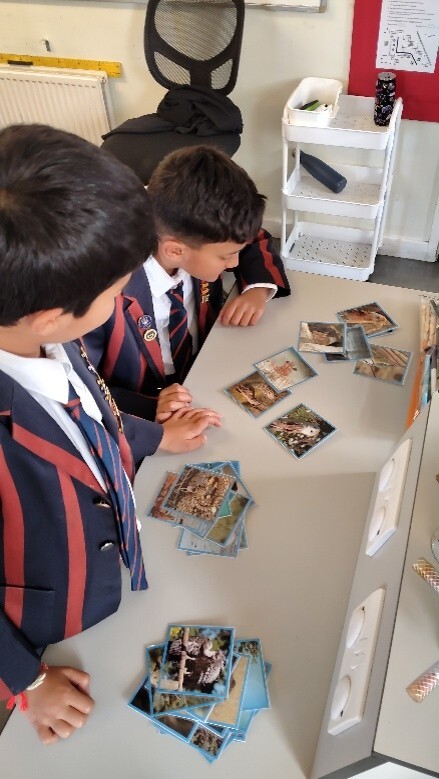
To complete their investigation, the boys took a closer look at vertebrates and explored the characteristics that distinguish the five main groups: mammals, reptiles, birds, fish, and amphibians. They considered the similarities and differences between these groups, using their scientific observations to identify the features that make each group unique.
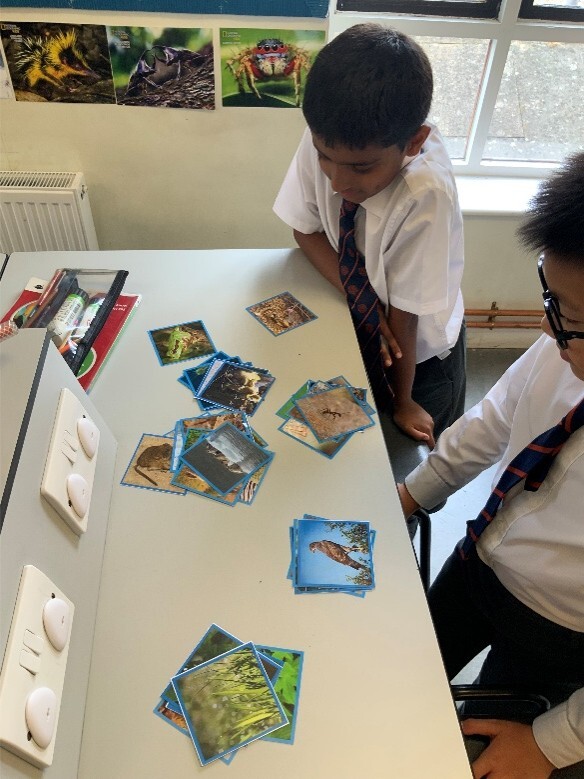
Throughout the activity, the boys put their observation, comparison, and reasoning skills into practice, learning how classification helps scientists make sense of the incredible diversity of life on Earth. It was a fantastic opportunity to develop their scientific vocabulary and deepen their understanding of the living world around them.